
The eyelids perform an essential function: protecting the ocular surface, maintaining eye hydration, and playing a key role in facial expression. Various pathologies can affect their position, mobility, or integrity, resulting in both functional and aesthetic consequences.

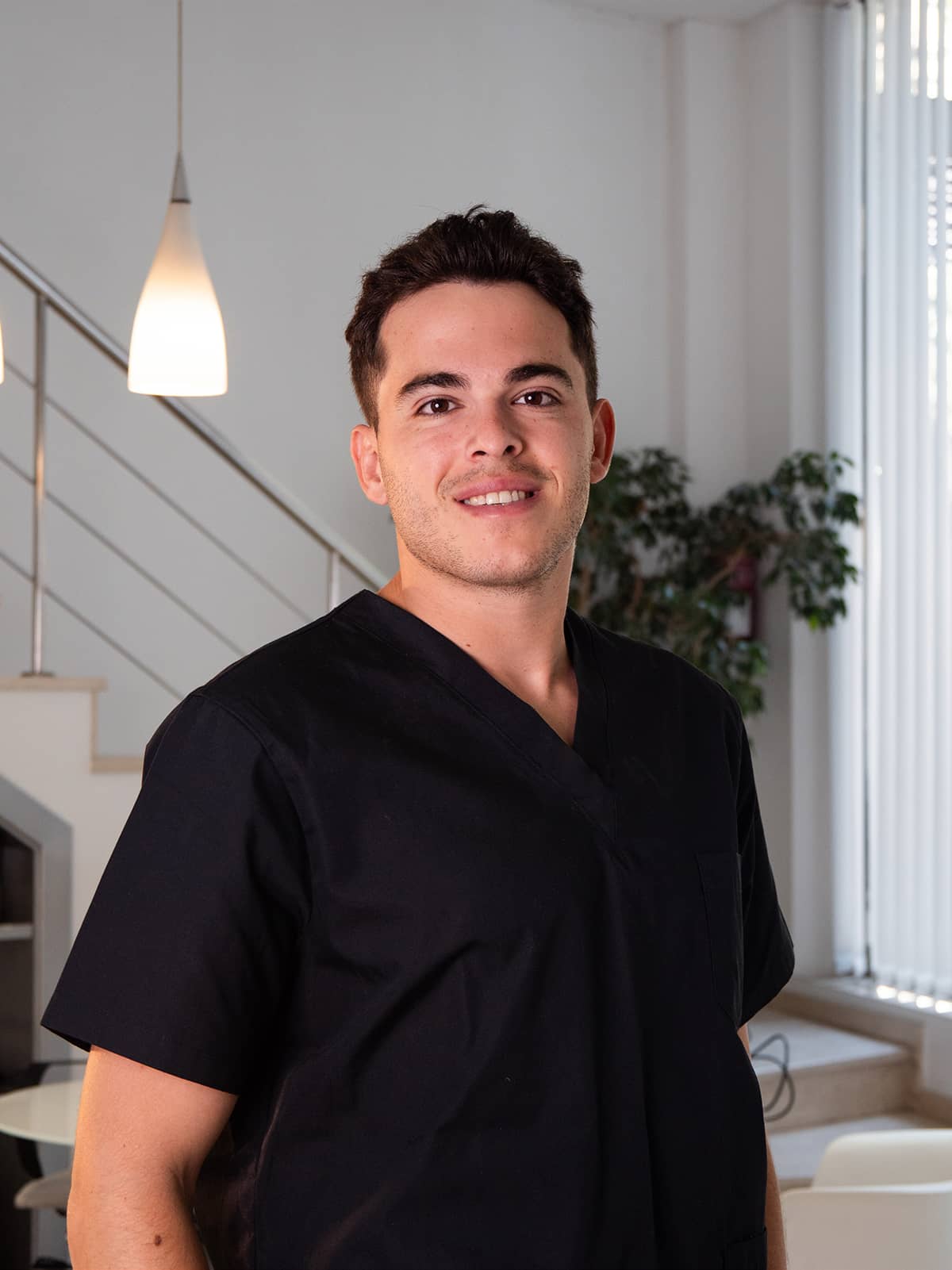
Correct functional and aesthetic eyelid conditions with the precision of a specialist in oculoplastic surgery.
Lower eyelid retraction can create a sad, tired, or aged appearance. It is often accompanied by watering eyes, irritation, and exposure of the eye, which increases the risk of dryness and infection.
The main cause is usually transcutaneous lower blepharoplasty surgery, although it can also be due to trauma or scarring. The treatment consists of repositioning the eyelid at its correct anatomical height, improving function, eye protection, and the aesthetics of the eye.
The skin of the eyelids is constantly exposed to sunlight, making it a common area for the development of skin tumours. While most are benign lesions, their removal requires precision to preserve both eyelid function and aesthetics.
In the case of malignant tumors, early diagnosis and complete resection are essential, as some can compromise the patient’s life if they spread. The surgical objective is always threefold: to completely remove the tumor, to ensure good eye closure, and to achieve a harmonious aesthetic result.
Over the years, or following severe trauma, the eyelids can lose tension. When this causes the eyelid to turn outwards, it is called ectropion; when it turns inwards, it is called entropion. These common conditions cause dryness, discomfort, and irritation of the ocular surface, which can become chronic.
In addition, it can cause the tear not to be properly collected and the patient to experience constant tearing. The treatment is surgical, and aims to restore the natural position and tension of the eyelid, without the need for hospitalization.
Lagophthalmos is the inability to close the eyelids completely. It can occur as a complication following upper blepharoplasty, causing dryness and damage to the ocular surface. It can also be caused by facial paralysis; in such cases, in addition to the closure defect, the lower eyelid may lose tone and drop from its normal position.
All of this can be associated with constant tearing that significantly impacts the patient’s daily life. Understanding the different ways in which lagophthalmos can affect the eyes is essential to developing an individualized treatment plan for each situation.
Soy el Dr. Francisco Zamorano, oftalmólogo especialista en Blefaroplastia con una sólida formación en cirugía oculoplástica. Realicé mi residencia en oftalmología en el Hospital Regional Universitario de Málaga, donde obtuve una puntuación media de 10 y el premio al mejor residente. Posteriormente, completé un fellowship en cirugía oculoplástica en el Instituto de Oftalmología Conde de Valenciana de Ciudad de México.
Además, realicé un máster en Medicina Estética de la Universidad Complutense de Madrid enfocado a tratamientos faciales avanzados. Soy miembro activo de la SECOP, ESOPRS y SECPF, participando en congresos y publicaciones especializadas. En mi práctica, tanto pública como privada, me dedico exclusivamente a la cirugía de oculoplastia, entendiendo que la subespecialización es la mejor manera para lograr un resultado excelente.
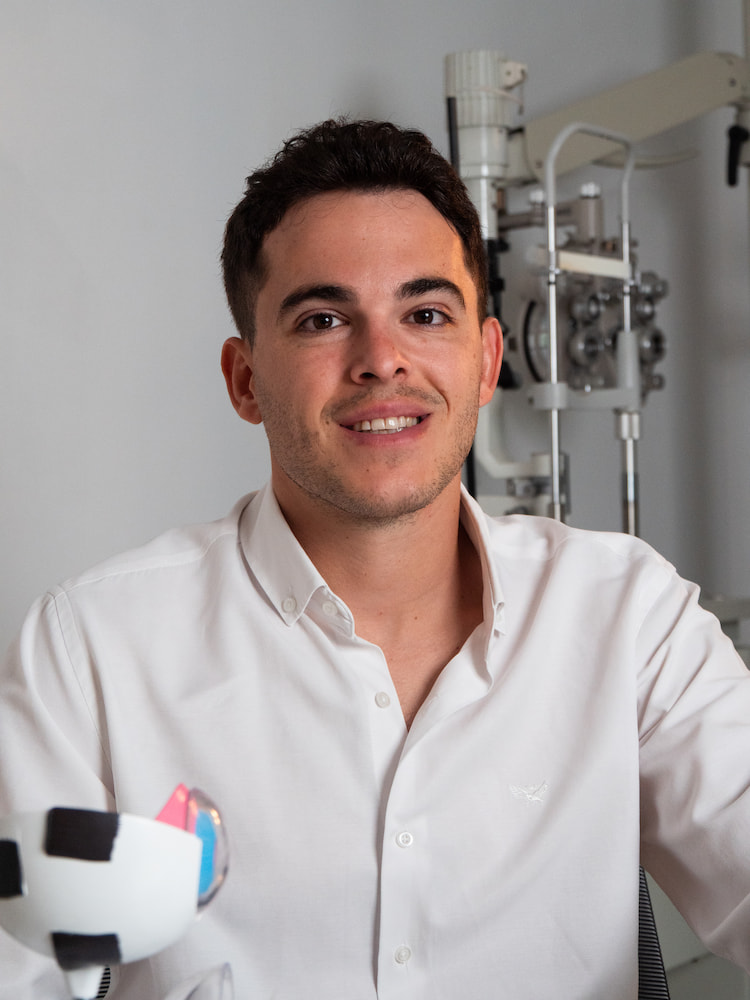
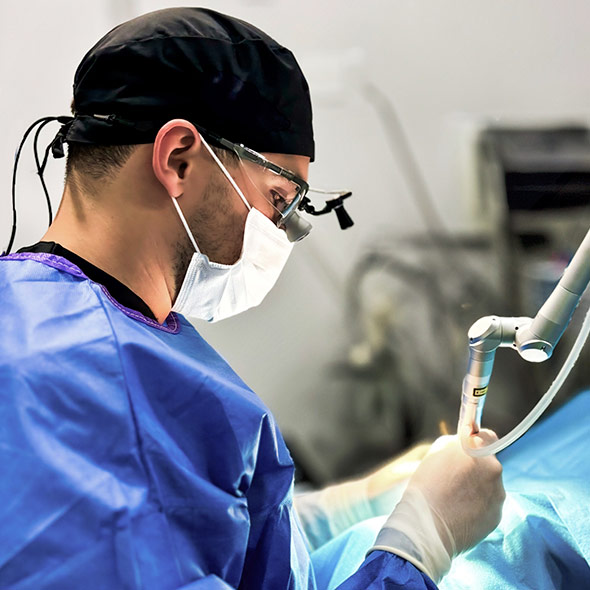
Puedes realizar una valoración visual gratuita con el Dr. Zamorano en cualquiera de los centros Vistaláser en Málaga, Fuengirola, Marbella o Granada.
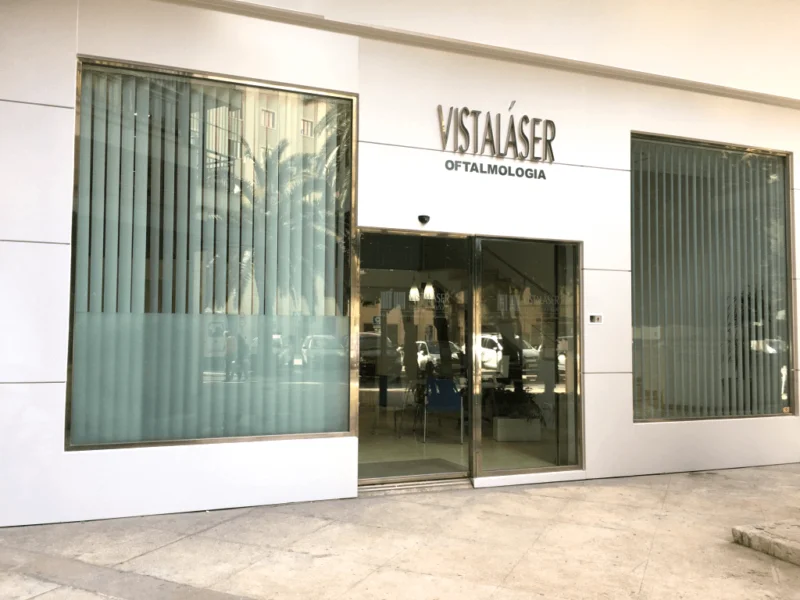
Agenda tu primera visita gratuita para recibir un presupuesto y resolver todas tus dudas en persona con el doctor.
Utilizamos cookies propias y de terceros para analizar el uso del sitio web y mostrarte publicidad relacionada con tus preferencias sobre la base de un perfil elaborado a partir de tus hábitos de navegación (por ejemplo, páginas visitadas) Política de cookies.
Escríbenos